The Four Types of Search Intent
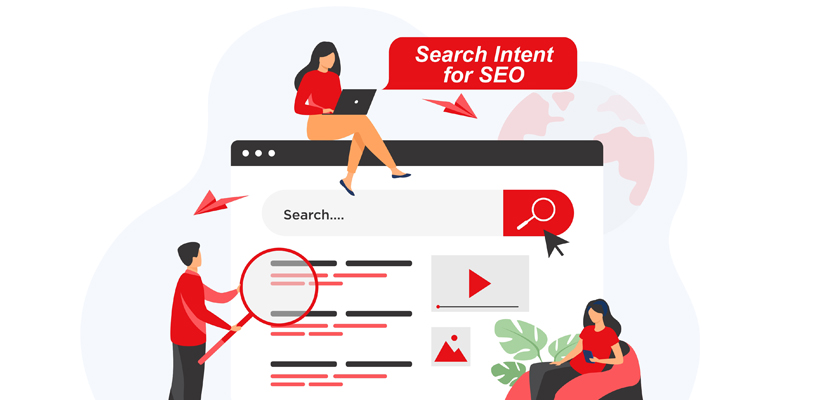
When people type search queries into a search engine, they have different goals in mind, which can be categorized into four primary types of search intent.
1. Informational Intent
People searching with informational intent are generally on a quest for knowledge. They use search engines to find answers to their questions, learn new things, or understand complex topics. Examples of informational intent queries include “How to bake a cake,” “What is blockchain,” or “Tips for first-time home buyers.” These types of searches show that the user is looking for information and is not necessarily ready to make a purchase.
To effectively cater to informational search intent, websites must concentrate on producing content that answers these queries thoroughly. This can include composing blog posts that walk through a process step-by-step, composing in-depth articles that address every part of a subject, or producing FAQs with commonly asked questions. How-to guides are particularly well known for satisfying informational demands since they offer concrete, actionable info that users can follow.
Optimizing content for informational searches involves using relevant keywords that people are likely to use when seeking information. For example, phrases like “how to,” “guide to,” “what is,” and “ways to” are indicative of informational search intent and should be incorporated into the titles, headings, and body of the content.
2. Navigational Intent
Navigational intent is when users know exactly where they want to go and use a search engine simply as a fast route to a specific website or webpage. Common examples include searches like “Facebook login,” “Amazon homepage,” or “YouTube channel of celebrity.” These searches are straightforward because the user’s goal is to quickly navigate to a particular site they already have in mind.
To capture navigational search intent, your SEO should target branded keywords associated with your company or product. This includes making your business name and major product names appear in your site’s metadata (title tags, meta descriptions, and headers).
Also important is having your website’s structure clear so that your key pages can be discovered by search engines. This can include optimizing your internal linking framework and keeping your sitemap updated so search engines can index your pages better.
3. Transactional Intent
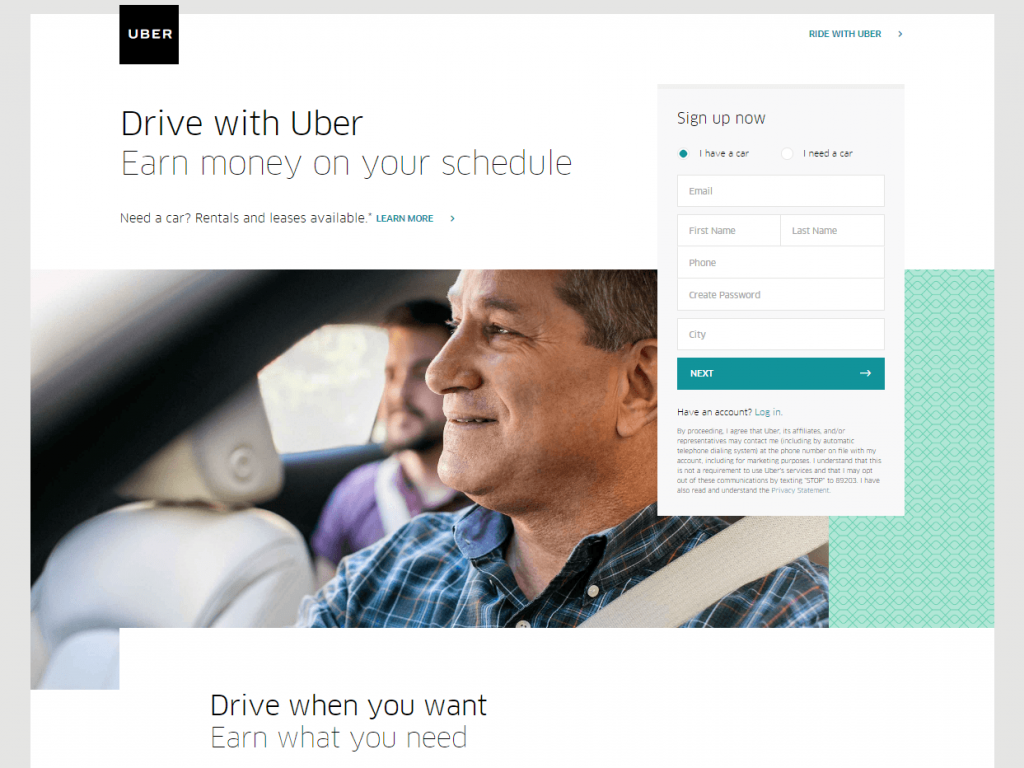
Transactional search intent signals that users are ready to make a purchase or take an action that leads directly to a conversion. This is when someone types into a search engine phrases like “buy Nike shoes online,” “order pizza near me,” or “subscribe to Netflix.” These users have moved beyond browsing and are at the essential point where they are prepared to take action.
To effectively target transactional intent, it’s essential for businesses to optimize their product pages and checkout processes. This means ensuring that product descriptions are clear, benefits are highlighted, and images are high-quality. Including customer reviews can also help credibility and influence purchase decisions.
Also, refining the checkout process is important. Reduce the number of steps required to complete a purchase, offer multiple payment options, and see that the checkout page loads quickly and is secure. Clear, compelling calls to action (CTAs) such as “Add to Cart,” “Buy Now,” or “Get Started” should be prominently displayed and easy to find.
4. Commercial Intent
Commercial intent is when users are almost ready to buy but are still weighing their options and searching for the best solution. These users often search with keyword phrases like “best DSLR cameras,” “top 10 smartphones,” or “iPhone vs. Android reviews.” They’re looking for detailed comparisons and evaluations to help them make informed purchase decisions.
To capitalize on commercial search intent, your content should focus on providing detailed product comparisons, good reviews, and clear lists of features and benefits. For example, a blog post titled “Best Coffee Makers of 2023” should compare various models, highlight their unique features, discuss pros and cons, and possibly link to places where these coffee makers can be purchased.
In a similar way, a video review of the new Android and iPhone can help owners determine which might be better suited for their requirements based on performance, camera quality, and cost.
Delivering such content helps customers determine what service or product is better suited for them, and it also establishes your website as a good source. This creates credibility as well as trust with your audience and gets them closer to buying the product. Addressing commercial search intent effectively can influence buying decisions and increase conversions on your website.